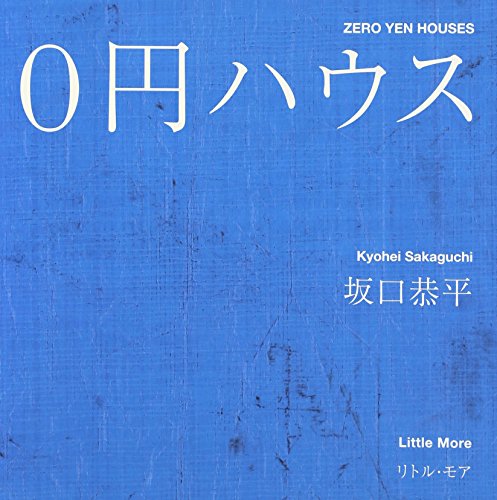
Zero Yen Houses/ Kyohei Sakaguchi
Material type: TextPublication details: Japan; Little More; 2004Description: 200p; 19x19cmISBN:
 - 9784898151174
| Item type | Current library | Collection | Call number | Status | Date due | Barcode |
|---|---|---|---|---|---|---|
 Book
Book
|
SAF Reference Library | Architecture | NA7100-7884 182 (Browse shelf(Opens below)) | Available | 6349 |
Collection of photographs with brief descriptions, of temporary structures innovated and set up by homeless people and families on the sidewalks, in parks and other such public spaces. A lean-to in an urban park, featuring a blue tarpaulin roof, a hinged door, and a bamboo blind. A car-shaped cardboard hut, lashed together with rope and sitting on a dolly. Temporary lodging under a bridge, incorporating a piece of playground equipment into its design. Each of these structures is an example of what Japanese artist and architect Kyohei Sakaguchi calls a "zero-yen house".Built by the homeless of Tokyo, Osaka, and Nagoya, zero-yen houses employ discarded and found materials, including pieces of wood and corrugated roofing, temple ornaments, blankets, shipping pallets, an umbrella, and those ubiquitous blue tarps. They also incorporate into their assembly the imminence of their disassembly: at any moment, they may have to be taken apart and moved.Since his days as a university student at the turn of the millennium, Sakaguchi has been studying the kinds of shelters that street people have created for themselves in Japan's three largest cities.
Japanese English
There are no comments on this title.